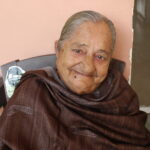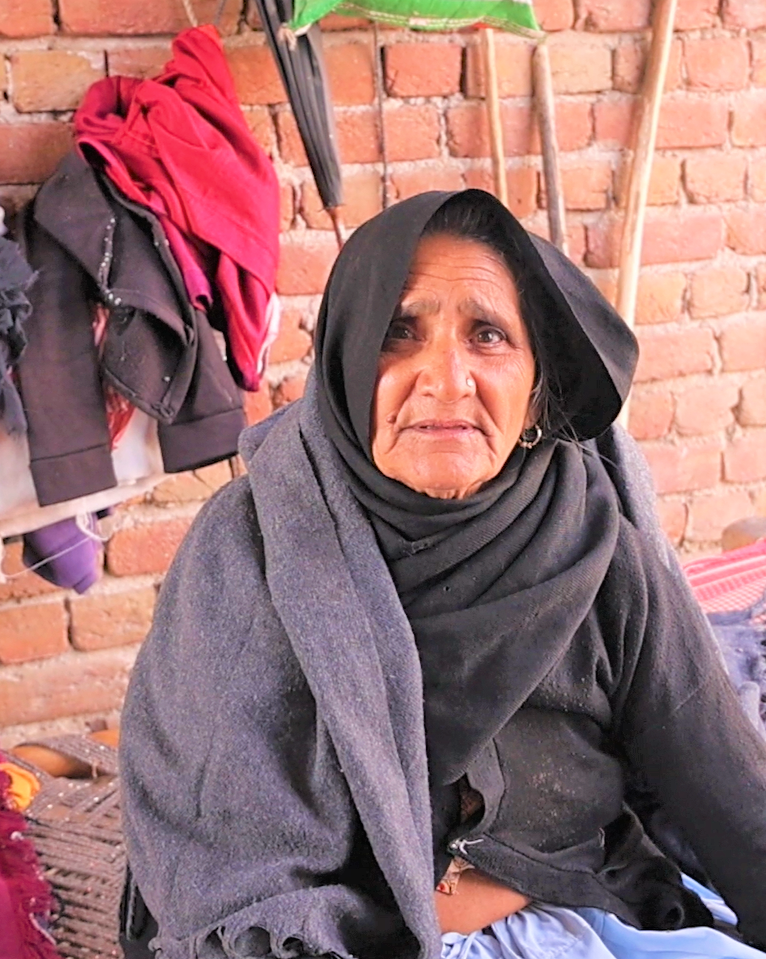
For most of her life, Chanda Maiya did what mothers quietly do every single day: cared for others before herself.
She raised a family, built a home and spent years nurturing the people she loved. But today, at 70, she lives alone in a small village in Uttar Pradesh despite having three sons.
Illness has slowly confined her to a bed. Diabetes, hypertension and arthritis make even the smallest daily activities painful. Walking to the nearby Mobile Healthcare Unit site is no longer possible.
“All my activities – eating, drinking, everything – happen on this bed,” she says.
Ageing is difficult. But for many older women, the hardest part is not just failing health, it is abandonment, loneliness and the feeling of becoming invisible after a lifetime of caring for everyone else.
Women’s health has long been overlooked within families and communities. And as women grow older, this neglect often deepens. Many elderly mothers and grandmothers silently endure pain, isolation and emotional distress with little support or access to healthcare.
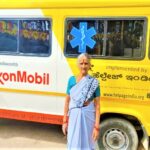
For Chanda Maiya, the visit from HelpAge India’s Mobile Healthcare Unit team is what she looks forward to the most.
“The doctor is like God for me,” she says with emotion. “He comes and checks on me and gives me medicines, which I take regularly.”
The team visits her regularly at home, checking her health, providing medicines and offering the care and reassurance she otherwise has no access to. Beyond treatment, these visits bring conversation, emotional support and the comforting reminder that she has not been forgotten.
Across India, thousands of older women like Chanda Maiya are ageing alone, often neglected when it comes to healthcare, emotional wellbeing and support. Many silently endure illness, immobility and isolation with little or no care.
Through our Mobile Healthcare Units, we are working to break this cycle of neglect. Along with basic healthcare, the MHUs provide counselling, health awareness, hospital referrals, access to government schemes and assistive devices for elders facing mobility challenges.
For women like Chanda Maiya, these services are more than medical support — they are a lifeline of dignity, compassion and human connection.