For a long time, elder care in India was seen mainly as a private, family matter, something handled quietly at home, often without much visibility or support. Today, that picture is changing. With India’s senior citizen population growing steadily every year, elder care is becoming a recognised field in its own right, with dedicated services, trained caregivers and organisations working specifically to support ageing individuals and the families around them.
Dignified ageing means more than meeting basic needs like food and shelter. It means ensuring older adults have access to consistent healthcare, opportunities to stay socially connected and the independence to make choices about their own lives for as long as possible. It also means being seen, not as an afterthought, but as valued members of society whose experience and presence matter.
What Quality Elderly Care in India Looks Like Today
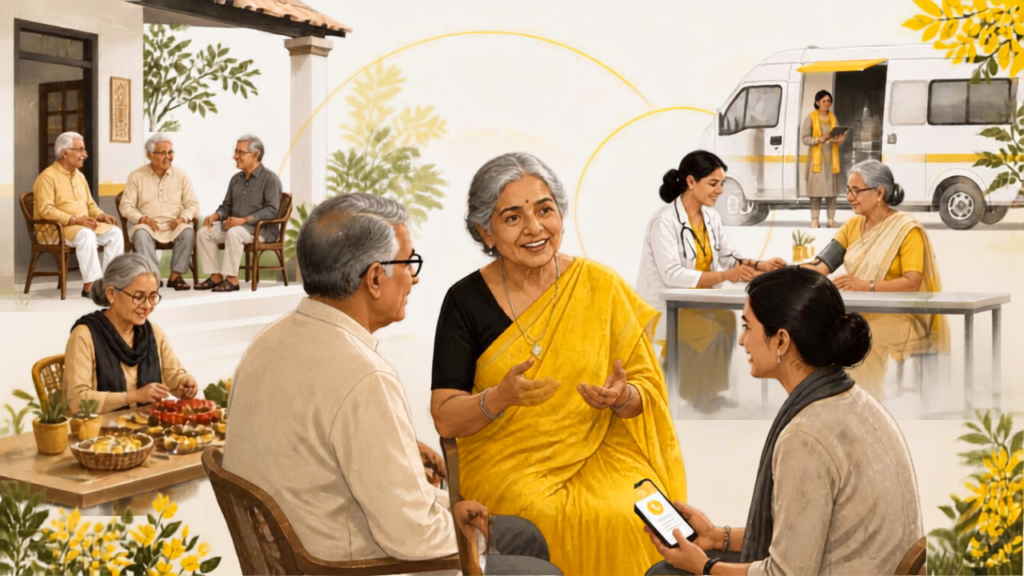
Elderly care in India today spans a wide spectrum of support systems, each designed to meet people where they are.
Doorstep Healthcare
Mobile Healthcare Units and home-visit programs are helping bridge the gap for elders who find it difficult to travel for regular medical check-ups, especially in semi-urban and rural areas.
Community and Peer Support
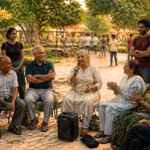
Senior Citizens’ Associations and community centres are giving older adults spaces to socialise, share skills, and remain active participants in their neighbourhoods rather than isolated individuals.
Helplines and Emergency Assistance
Dedicated senior citizen helplines now offer everything from emotional support to help during medical emergencies, giving elders and their families a reliable point of contact.
Livelihood and Financial Support
For many elders, especially those in the unorganised sector, continued access to income opportunities and government benefits plays a direct role in their sense of dignity and independence.
Together, these elder care services in India are shifting the narrative. Ageing is no longer only about slowing down, but about continuing to live with purpose, connection, and choice.
Why Senior Citizen Wellbeing Deserves More Attention
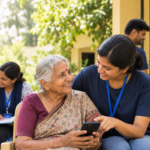
Senior citizen wellbeing isn’t just a health metric. It’s a holistic idea that includes physical, emotional and social health. Loneliness, for instance, is increasingly recognised as a serious wellbeing concern among older adults, particularly those living alone or those whose children have moved away for work. Addressing this requires more than medical intervention. It calls for consistent human connection, community engagement and systems that regularly check in, not just step in during emergencies.
This is where organised elder care efforts make a real difference. By combining healthcare access with social and emotional support, well-structured programs help older adults age not just longer, but better, with a sense of belonging intact.
The Road Ahead for India’s Elder Care Movement
India’s population is ageing faster than many people realise and the systems supporting elder care need to grow just as quickly. This means more trained caregivers, wider healthcare access, stronger community networks and continued advocacy for elder-friendly policies at every level, from local municipalities to the national government.
The good news is that this movement is already underway. Across the country, organisations, volunteers, healthcare workers and everyday citizens are contributing to a future where growing older doesn’t mean growing invisible.
Final Thoughts
Dignified ageing isn’t built by one organisation alone. It’s built through collective effort. Whether it’s through volunteering time, supporting elder care programs, or simply staying informed about the challenges older adults face, everyone has a role to play in shaping what ageing looks like in India.
If you’d like to understand how you can contribute to this movement, through donations, volunteering, or staying connected to ongoing elder care initiatives, explore how your support can help bring consistent, dignified care to elders across the country. For over 48 years, organisations like HelpAge India have worked toward this goal, recognised globally with the UN Population Award 2020, and all contributions are eligible for tax exemption under Section 80G.
FAQs
1. What does “elder care” actually include?
Elder care covers a broad range of support for older adults, including healthcare access, emotional and social support, helplines, community engagement, and where required , livelihood or financial assistance.
2. Why is senior citizen wellbeing about more than physical health?
Wellbeing in older age includes emotional and social health as well. Loneliness and isolation can affect an elder’s quality of life just as much as physical illness, which is why community connection is an important part of elder care.
3. How is elder care in India changing?
Elder care in India is shifting from being a purely private, family responsibility to an organised effort involving trained caregivers, community programs, special programmes and policies and dedicated helplines.
4. How can I support elder care efforts in India?
You can support elder care through donations, volunteering, or simply staying informed and spreading awareness about the needs of older adults in your community.