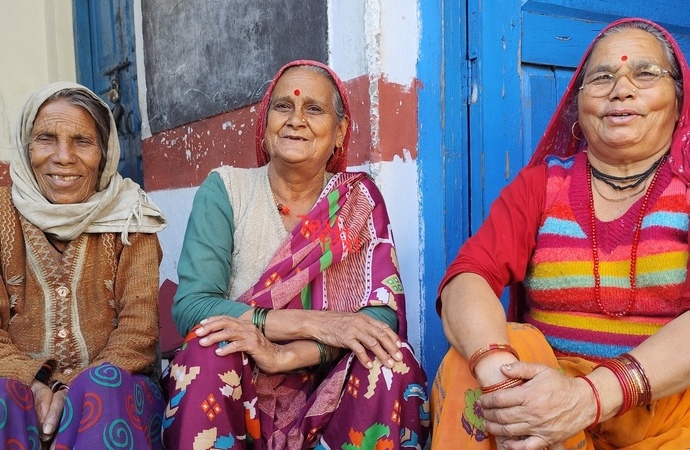
Growing older with dignity, comfort and a voice that is heard is something every one of us hopes for. In India, a set of laws exists to support that hope. They recognise that elders have the right to be cared for, to live safely and to make decisions about their own lives. Yet many families have never read these laws and many elders are unsure what they can ask for. Understanding senior citizen rights in India is the first step towards using them with confidence.
This guide explains the key laws in plain language, from the Senior Citizens Act 2007 to other protections and schemes. It also shows how to seek support and where to find trusted help. It is written for elders, families and anyone who wants to stand beside them.
Why Awareness of Senior Citizen Rights in India Matters
Rights are only as strong as the awareness behind them. Many elders hesitate to seek guidance because they are unsure what the law offers, or because they value family harmony. Families, in turn, often learn about these provisions only when a situation calls for them. Awareness allows questions to be asked early and calmly. When elders and families understand the rights of elderly in India, they can:
- plan care, finances and property with clarity
- know when and where to seek guidance
- find the correct authority without delay
- make informed choices that respect everyone’s dignity
The Maintenance and Welfare of Parents and Senior Citizens Act, 2007
The central law for elder rights in India is the Maintenance and Welfare of Parents and Senior Citizens Act, 2007, often called the Senior Citizens Act 2007. It was created so that elders can claim support in a simple, affordable and respectful way, without long court processes. The next two sections explain what it provides and who it covers.
What the Senior Citizens Act 2007 Provides, in Simple Terms
The Act makes it a legal responsibility for children and relatives to provide for their parents and senior citizens and it asks governments to put welfare measures in place. In practice, it offers:
- Maintenance: Food, clothing, residence and medical attendance and treatment. A Tribunal can order monthly maintenance within the limit set by the state government, which under Section 9 does not exceed ₹10,000 per month.
- A simple, accessible process: Maintenance Tribunals follow a summary procedure and applications are made in writing. A Maintenance Officer is appointed to help and can represent a parent who wishes it.
- Protection of property: Under Section 23, if an elder transfers property on the condition of being cared for and that condition is not met, the Tribunal can declare the transfer void.
- Welfare facilities: Provisions for old age homes and medical care for senior citizens, to be arranged by state governments.
- Safeguards for care and protection: The Act also contains provisions to protect senior citizens from abandonment.
Who the Senior Citizens Act 2007 Applies To
The Act covers senior citizens, meaning Indian citizens aged 60 and above. It also covers parents of any age, whether biological, adoptive or step-parents, who cannot maintain themselves from their own earnings or property. Elders without children can seek maintenance from relatives who hold, or will inherit, their property. An application can be made by the elder or by an organisation they authorise and the Tribunal can also take notice of a case on its own.
Other Protections and Provisions for Senior Citizens
The 2007 Act works alongside other laws and schemes, so elders often have more than one route to support. Knowing these options helps families choose the one that fits their situation best.
| Provision | What it offers |
|---|---|
| Section 144, Bharatiya Nagarik Suraksha Sanhita, 2023 (earlier Section 125 of the CrPC) | Allows a Magistrate to order monthly maintenance for parents who cannot maintain themselves, from children with sufficient means. |
| Hindu Adoptions and Maintenance Act, 1956 | Provides for the maintenance of aged or infirm parents under Hindu personal law. Other personal laws may apply to other communities. |
| Ayushman Vay Vandana Card | Cashless treatment at empanelled hospitals, with cover of up to ₹5 lakh per year, for all citizens aged 70 and above, based on age and not on income. |
| Income tax provisions | Certain tax benefits for senior citizens, such as relief on tax deducted at source on interest income and deductions for health insurance. Availability depends on the tax regime chosen, so please check current rules. |
| National Policy on Older Persons, 1999 | A policy framework covering healthcare, income security, housing and the wellbeing of elders. |
Eligibility and benefits can change from time to time, so it is wise to confirm current details with the relevant government department.
How to Seek Support Under the Senior Citizens Act
Many families find that an open, caring conversation or a conciliation process resolves matters. When it does not, the Act offers a formal and straightforward route. Knowing the steps in advance can make the process feel far less daunting.
- Apply to the Maintenance Tribunal in your area. Tribunals are set up at the sub-division level and the application is made in writing. A lawyer is not required.
- Attend the hearing. The Tribunal may first refer the matter to a Conciliation Officer. If no settlement is reached, it inquires into the case and passes an order. The Act provides for the application to be decided within 90 days, which can be extended by up to 30 days in exceptional circumstances.
- Appeal if needed. An order can be appealed to the Appellate Tribunal within 60 days.
It helps to keep documents such as age proof, property papers and any records of expenses ready before applying.
Where to Find Information: Helplines and Local Authorities
You do not have to work through this alone. Knowing who to contact and for what, saves time and worry. Here is a quick table that will help you understand whom to reach and how in case of need or emergencies:
| Who to contact | How they can help |
|---|---|
| Elder Line 14567 | A national toll-free helpline for senior citizens, offering guidance and support. |
| Maintenance Tribunal and Maintenance Officer | Hear applications under the Senior Citizens Act and guide elders through the process. Your state social welfare department can tell you where to find them. |
| Local police or district administration | Can be approached for safety concerns or urgent help. |
| State Social Justice or Social Welfare Department | Guides elders to schemes, Tribunals and old age homes in the state. |
| HelpAge India | Shares information on elder rights through its website and outreach. |
Why Speaking Up Matters and How Families Can Help
Using a legal provision is not about conflict. It is about ensuring that every elder can live with respect and security and it often encourages families to talk honestly about care. Families can help by learning these rights together, keeping important documents in order and talking openly about care, property and decision-making in good time. Neighbours and friends can also help by sharing the Elder Line number with someone who might need it. Elders carry a lifetime of wisdom and a supportive community makes sure that wisdom is valued.
Conclusion
Laws that protect senior citizens in India exist so that no elder has to face uncertainty alone. The Senior Citizens Act 2007, supported by other laws and schemes, gives elders and families a clear path to maintenance, safety and dignity. The most important step is often the first one: learning what is available and being willing to ask. Whether you are an elder, a family member or a friend, sharing this knowledge can make a real difference to someone’s life. Keep the Elder Line number, 14567, close at hand and remember that seeking support is every elder’s right.
For over four decades, HelpAge India has worked for the dignity and wellbeing of older persons, through healthcare, helpline support, livelihood opportunities and advocacy for elder rights. This experience across communities is what helps us explain laws like these in a way everyone can follow.
FAQs
1. What are the legal protections for senior citizens in India?
The legal protection for senior citizens in India begins with the Maintenance and Welfare of Parents and Senior Citizens Act, 2007, which covers maintenance, property safeguards and protection from abandonment. Section 144 of the Bharatiya Nagarik Suraksha Sanhita, 2023 (earlier Section 125 of the CrPC) also lets parents claim maintenance from their children. Personal laws, such as the Hindu Adoptions and Maintenance Act, 1956, add further rights, so elders often have more than one route to seek support.
2. Which policy is best for senior citizens?
No single policy is best for everyone, because the right choice depends on health needs, income and family situation. Many elders look at three areas: government health coverage such as the Ayushman Vay Vandana scheme for those aged 70 and above, a dedicated senior citizen health insurance plan and savings options like the Senior Citizens’ Savings Scheme. Compare benefits, waiting periods and eligibility carefully and speak to a qualified financial advisor before deciding, since terms are updated from time to time.
3. Who is legally responsible for taking care of elderly parents in India?
Under the Senior Citizens Act 2007, adult children, including sons, daughters, grandsons and granddaughters, are legally responsible for the maintenance of elderly parents. This covers food, clothing, shelter and medical care and it applies to biological, adoptive and step-parents. Senior citizens without children can claim support from relatives who hold or will inherit their property.
4. What is a senior citizen policy?
A senior citizen policy is a government framework that sets out how a country plans to protect and support its older population. In India, this approach began with the National Policy on Older Persons in 1999 and covers areas such as healthcare, income security, housing and wellbeing. It works alongside schemes and laws like the Senior Citizens Act 2007, which turn these goals into rights that elders can actually use.
5. How can I support elders through HelpAge India?
You can donate for elderly care through HelpAge India’s website, helping fund healthcare, helpline support and livelihood programmes for older persons across the country. Giving is always your choice and you can also support elders by volunteering, sharing awareness content or spreading the word about the Elder Line, 14567. Donations made from 1 April 2026 may be eligible for tax benefits under Section 133 of the Income Tax Act 2025 (erstwhile Section 80G of the Income Tax Act, 1961), subject to applicable conditions.
This blog has been written by:
HelpAge India